
The Brazilian Amazon is not a blank area beyond Manaus, and “hidden” should never mean entering restricted land or seeking uncontacted peoples. The useful alternatives are established gateways where protected-area managers, community organizations, and licensed operators define how visitors may enter.
Before choosing a route, read the responsible wildlife guide, the tropical packing list, and the relevant state guide. Access, water level, fire, and community permissions must be verified for the exact date.
1. Anavilhanas from Novo Airão, Amazonas
The Anavilhanas archipelago spreads through the Rio Negro upstream from Manaus. Novo Airão offers a smaller gateway for boat channels, forest interpretation, and seasonal beaches. The experience changes with water level: high water opens flooded-forest routes, while lower water exposes sand and different walking opportunities.
Use an established local operator, ask where the boat is authorized to go, and reject wildlife handling. Build at least two nights in Novo Airão so a storm or late road transfer does not erase the visit. Start with the Amazonas first-time guide.
2. Tapajós–Arapiuns communities from Santarém, Pará
West of Belém, Santarém and Alter do Chão provide access to clear-looking Tapajós water, forest, and community-based tourism in selected river communities. These are lived territories. Arrange stays through a community organization or a provider that can identify the host, payment structure, permitted activities, and photography rules.
Boat duration depends on community and vessel. Ask about sleeping arrangements, toilets, drinking water, meals, and the weather policy. Do not arrive independently in a community because a map shows a pier. See the Pará first-time guide.
3. Mamirauá region from Tefé, Amazonas
The várzea around Tefé offers one of the Amazon's best-known models for conservation-linked visitation. Seasonal flooding changes lodging access, canoe routes, forest walks, and wildlife patterns. Reaching Tefé is only the first stage; the reserve or lodge transfer must be confirmed separately.
Ask how visitor revenue supports conservation and local communities, what research claims are current, and what happens when weather interrupts the transfer. Never book a same-day onward flight after returning from a remote lodge.
4. Marajó beyond a Belém day trip, Pará
Marajó is not one beach or buffalo photograph. The island contains towns, mangroves, fields, archaeological history, ceramics, and communities connected by roads and waterways. Soure and Salvaterra are common first bases, but ferry, vehicle, and local-transfer combinations change the journey.
Stay at least two nights, learn about Marajoara ceramics from a traceable workshop or museum context, and choose mangrove or farm visits that explain local ownership. The Pará food guide helps interpret buffalo products, fish, açaí, and island ingredients.
5. Xapuri and extractive-reserve history, Acre
Xapuri offers a forest route built around rubber-tapper history, Chico Mendes, and the relationship between conservation and livelihoods. It is far more realistic for a short Acre visit than advertising Serra do Divisor as a Rio Branco day trip.
Arrange any reserve or working-community visit locally and in advance. Ask who authorized the visit and how hosts are paid. For Serra do Divisor, start again with a dedicated expedition based around Cruzeiro do Sul and Mâncio Lima. Read the Acre first-time guide.
Routes excluded for good reason
Do not seek tourism in areas set aside for isolated or recently contacted Indigenous peoples, and do not enter Indigenous land without formal community-led authorization. Vale do Javari is not a “secret adventure.” Precise wildlife sites, nests, and vulnerable community coordinates should not be published for search traffic.
How to vet an Amazon operator
- They name the protected area or community and explain permission.
- They describe vessel, safety equipment, guide qualification, and maximum group.
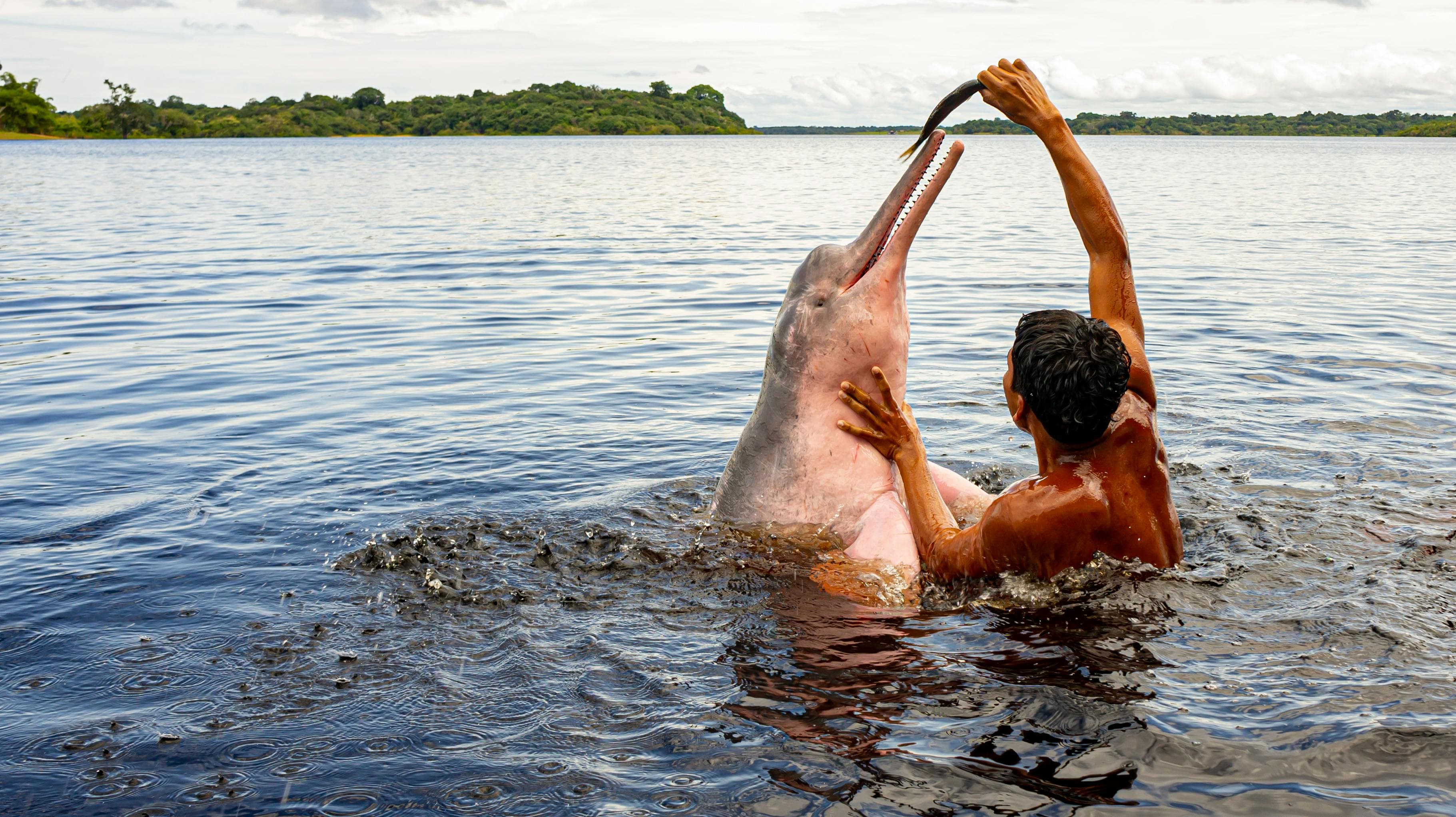
- They do not promise touching, feeding, or guaranteed rare wildlife.
- They explain accommodation, drinking water, waste, and emergency communication.
- They provide a written weather, cancellation, and delay policy.
- They can describe how local people are paid.
Time and budget reality
Remote travel costs more because boats, fuel, guides, and contingency are real inputs. Compare complete packages rather than stripping out the guide or buffer that makes the route viable. Use the Brazil budget guide and keep one night near the flight gateway at both ends.
The Amazon does not need invented quotes, exaggerated wildlife guarantees, or the language of discovery. It needs accurate geography, patient observation, legitimate access, and enough time for the river to set the pace.