
A five-day Amapá itinerary works only when the route commits to one connected travel zone. For this version, Macapá is the gateway and Santana supplies the change of setting. Base in Macapá for at least three nights, then add Santana, Curiaú, or Mazagão as a prearranged day trip. Tumucumaque and Bailique are expedition-scale destinations and should not be presented as casual add-ons.
Five-day route at a glance
| Day | Base or focus | Why it belongs | | --- | --- | --- | | 1 | Historic Macapá | Establish the route from Macapá | | 2 | Equator and Museu Sacaca | Develop the Fortaleza de São José de Macapá theme | | 3 | Santana and the port landscape | Develop the Marco Zero do Equador theme | | 4 | Community or cultural day | Develop the Museu Sacaca theme | | 5 | Flexible riverfront day | Protect the return from Santana |
The sequence assumes five nights. When arrival reaches Macapá late, use Day 1 only for check-in and move its cultural stops to Day 5; do not steal time from the longest transfer to pretend the schedule remained unchanged.
Day 1: Historic Macapá
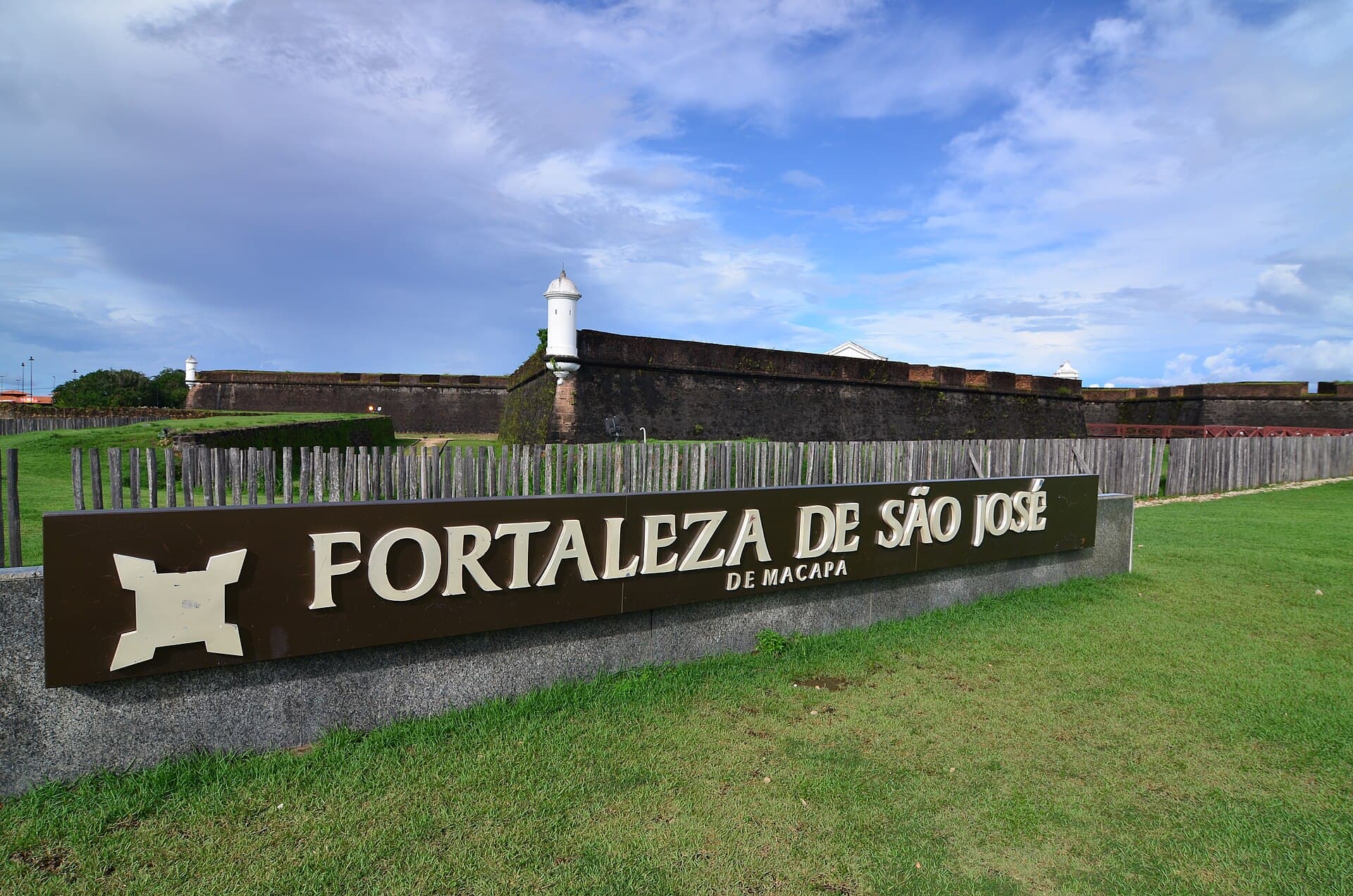
Start at Fortaleza de São José, continue along the Amazon riverfront, and visit the central market area. Use the day to understand the city's orientation to the river.
Day 1 focus: keep the route centered on Macapá rather than adding an unrelated transfer.
Day 2: Equator and Museu Sacaca
Visit Marco Zero when heat is manageable, then give Museu Sacaca a substantial block. Keep an indoor alternative if heavy rain arrives.
Day 2 focus: keep the route centered on Santana rather than adding an unrelated transfer.
Day 3: Santana and the port landscape
Travel to Santana with a clear return plan. Focus on the river, commerce, and everyday urban connection between the two cities rather than seeking an artificial attraction list.
Day 3 focus: keep the route centered on Mazagão rather than adding an unrelated transfer.
Day 4: Community or cultural day
Arrange a responsible Curiaú visit or explore more of Macapá's cultural institutions. Never arrive in a traditional community expecting access to ceremonies or private spaces.
Day 4 focus: keep the route centered on Fortaleza de São José de Macapá rather than adding an unrelated transfer.
Day 5: Flexible riverfront day
Keep the final day open for a weather-delayed museum, a local food circuit, or a prebooked short river outing with a registered operator.
Day 5 focus: keep the route centered on Marco Zero do Equador rather than adding an unrelated transfer.
Why these five days fit together
Macapá gives the trip the essential first base for the fortress, equator monument, museums, and riverfront. Santana then adds useful for port connections and some river departures, but usually visited from macapá. Keeping those roles distinct prevents the itinerary from using two hotels that deliver the same experience.
In Amapá, the fifth day stays close enough to the departure corridor to absorb a late road, rain change, or closed interior from earlier in the week. Its recovery role is part of this route, not empty space.
Transport between the two bases
The complete arrival options and statewide transport constraints are maintained in the first-time Amapá guide. For these five days, the decisive movement is from Macapá to Santana; the essential first base for the fortress, equator monument, museums, and riverfront. By contrast, useful for port connections and some river departures, but usually visited from macapá.
For this exact schedule, confirm the outward movement to Santana before reserving a non-refundable stay there. Save the pickup and destination in Portuguese, and check whether the same operator handles the return or whether a new booking is required.
Weather changes worth planning around
The full Amapá seasonal profile is maintained in the first-time guide rather than copied here. In this schedule, ask how current conditions affect Marco Zero do Equador and Museu Sacaca specifically, because those are the anchors most likely to force a day swap.
If the most weather-sensitive day fails, move Fortaleza de São José de Macapá into the opening and use Marco Zero do Equador as the second option only when it shares the same base. The Brazil rainy-season guide explains the nationwide forecasting method without duplicating it across all five days.
Food stops that fit the schedule
Four names worth recognizing are Açaí with fish and farinha, Camarão no bafo, Filhote, Tacacá. Put the largest regional lunch on Day 2 or Day 4, whichever has less road time, and use a market or snack on the transfer day. The complete Amapá food guide explains ingredients, serving styles, and the local culinary geography.
What this itinerary leaves out
It leaves out Curiaú and marabaixo context when that place sits beyond the five-day corridor. Curiaú is a quilombola territory, not a theme park. Visit only through respectful, locally arranged experiences and understand marabaixo as a living cultural tradition rather than a scheduled performance for outsiders. It also avoids sleeping in Mazagão merely to claim a third base; a cultural-history extension that needs advance checking around transport and community events.
For Amapá, that omission protects the experiences already in the schedule. Adding Curiaú and marabaixo context should mean adding nights and rebuilding the route, not deleting the final-day buffer.
How to extend the trip to seven or eight days
Add one night in Santana for a slower version of Marco Zero do Equador, then add Mazagão only if its transport follows the departure direction. A food-first extension can instead stay in Macapá and use the market, producer, and neighborhood ideas from the food guide.
Do not attach another state until the extra Amapá days have been compared with airport and bus time. How to Build a Multi-Region Brazil Itinerary provides that calculation once, as the shared hub.
Booking sequence for this route
- Confirm the arrival into Macapá and the usable hours on Day 1.
- Secure any controlled access connected with Marco Zero do Equador or Museu Sacaca.
- Reserve Santana around the confirmed transfer.
- Keep Day 5 flexible until the Amapá forecast is reliable.
- Save the route, accommodation, and return contacts offline.
Continue planning Amapá
- Read the first-time Amapá guide for bases, timing, and major alternatives.
- Use the Amapá food guide to place meals near each day's route.
- Review the practical tropical Brazil packing list before buying gear.
- Save the main Amapá destination page as the cluster overview.
- Use the responsible wildlife guide to screen boat, forest, and wetland operators.