

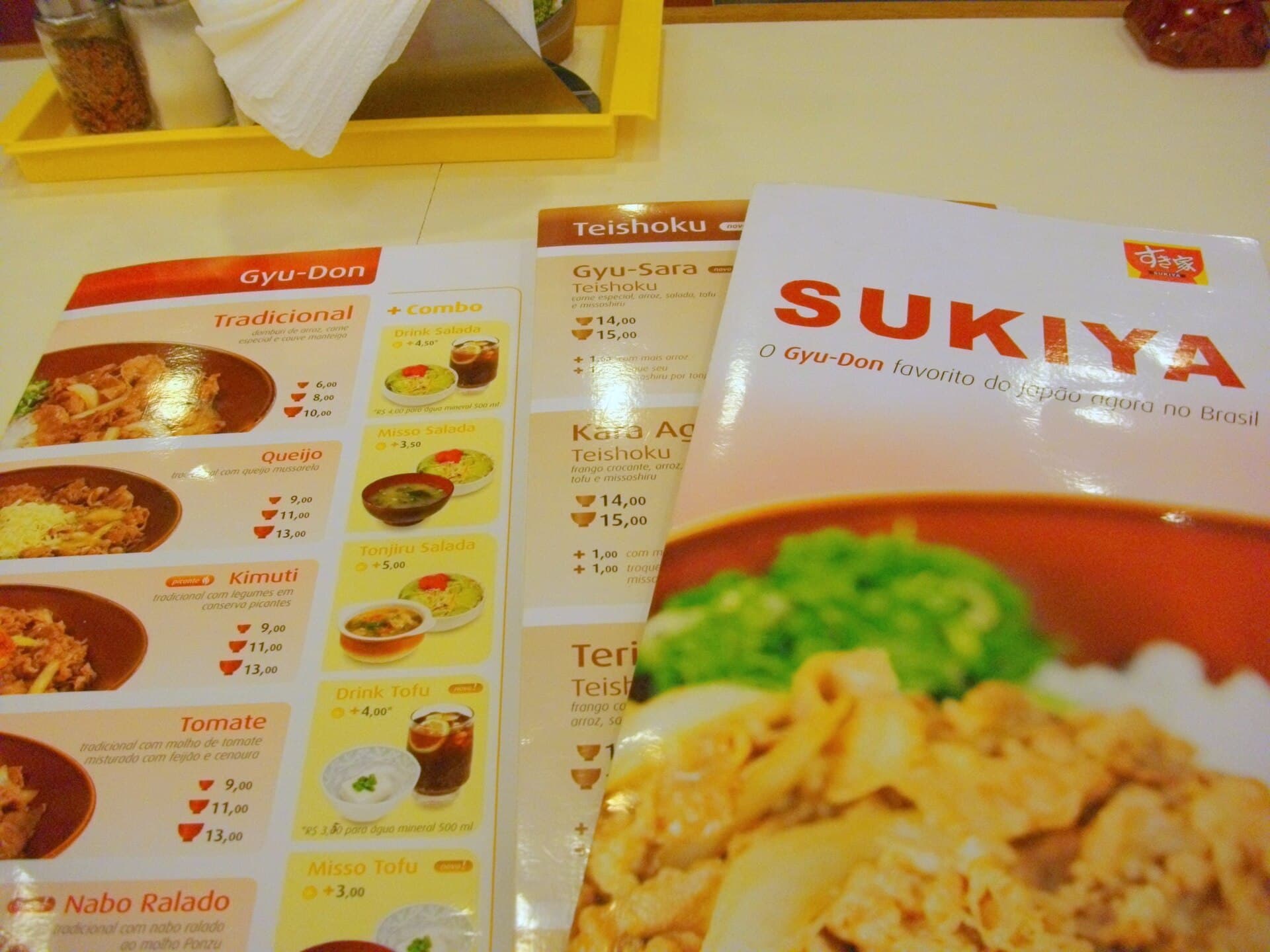
Translating the allergen name is only the first step. The conversation also needs to cover derivatives, broth, shared utensils, frying oil, garnishes, and whether the kitchen can control cross-contact.
This guide supports planning but is not medical advice. Before travel, ask your clinician for an individual action plan, medication instructions, and advice appropriate to your allergy severity and destination.
Make a written allergy card
Put the medical condition first, the allergen second, and the consequence clearly. Have the translation reviewed by a fluent speaker and clinician where possible.
Template:
Card text in Portuguese: Eu tenho alergia grave a [ALÉRGENO]. Não posso comer [ALÉRGENO] nem alimentos preparados com os mesmos utensílios, superfícies ou óleo. Uma pequena quantidade pode causar uma reação grave. Vocês conseguem preparar uma refeição segura?
Meaning: I have a severe allergy to [ALLERGEN]. I cannot eat it or food prepared with the same utensils, surfaces, or oil. A small amount can cause a severe reaction. Can you prepare a safe meal?
Do not soften "allergy" into preference. "Não gosto" means "I do not like it" and may not trigger careful handling.
Essential questions
- O caldo contém...?; Does the broth contain...?
- Foi frito no mesmo óleo?; Was it fried in the same oil?
- Usam a mesma chapa ou grelha?; Do you use the same griddle or grill?
- A farofa contém...?; Does the farofa contain...?
- O molho já vem misturado?; Is the sauce already mixed in?
- Pode usar utensílios limpos?; Can you use clean utensils?
- Se não tiver certeza, por favor me avise.; If you are not sure, please tell me.
Ingredients that can be hidden
Shrimp may be ground into vatapá, caruru, sauces, farofa, and seasoning. Peanuts or cashews may thicken Bahian dishes. Milk can appear in purées, pirão, mashed cassava, desserts, and bread. Wheat can appear in seasoning blends, fried coatings, soy sauce, and shared fryers. Egg may be incorporated into cakes, pies, pasta, and garnishes.
Regional food guides on Stopover call out common ingredients, but recipes differ by kitchen. Never use a blog description as the restaurant's ingredient declaration.
Choose the eating environment
A quiet restaurant before peak service may communicate better than a crowded buffet or street stall. A simple grilled protein, plain rice, beans confirmed without the allergen, and untouched fruit may be safer than a complex traditional dish. If the kitchen appears uncertain, thank them and leave.
Buffets and breakfast rooms
Shared spoons, crumb-contaminated butter, tongs moved between trays, and omelet stations create cross-contact. Ask for unopened items or food prepared separately in a clean area. Arrive early only if the staff confirms that this improves control; fresh appearance alone does not prove safety.
Remote trips and lodges
Send the allergy card before booking, ask who approves the request, and confirm again before the transfer. Carry enough safe backup food for delays within customs and transport rules. Remote kitchens may be excellent but cannot improvise ingredients that were never stocked.
Medication and emergency planning
Carry prescribed emergency medication on your person, in the original labeled packaging, with backups according to medical advice. Do not put it in checked baggage or expose it to damaging heat. Know how to contact local emergency services and your insurer. Travel companions should understand the clinician-provided action plan.
A three-answer rule
Proceed only when staff can explain the ingredients, preparation surface, and shared-oil or utensil risk. "Acho que não" means "I don't think so," not certainty. Polite honesty from a kitchen that cannot guarantee safety is valuable information.
Use Portuguese Phrases for Independent Travel for the rest of the journey, but keep the allergy card separate, prominent, and medically specific.