
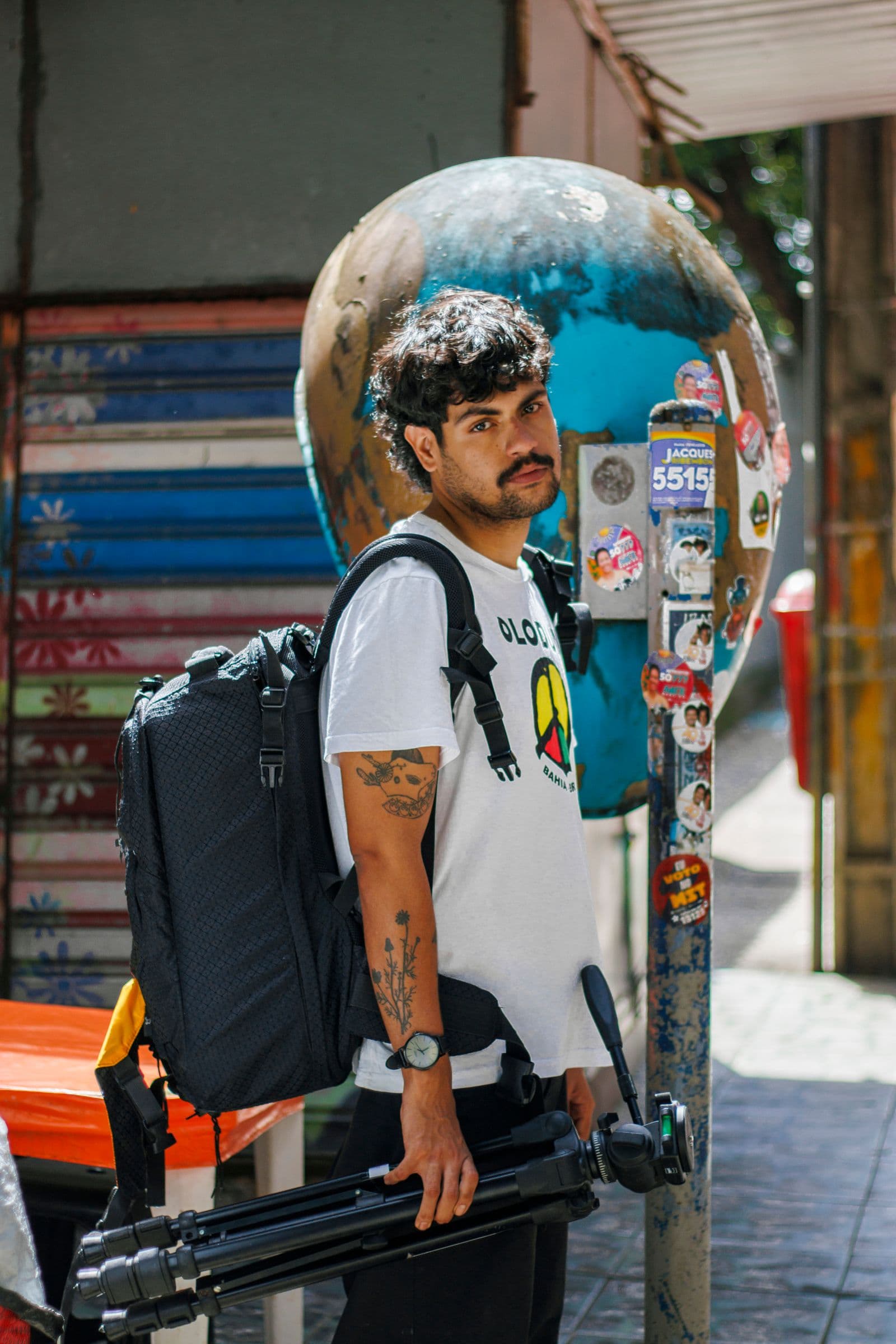
A travel photograph is never only about light and composition. It also records a relationship with a person, ceremony, neighborhood, workplace, animal, or protected place. Consent and context determine whether the image is worth making.
Ask before photographing people
Use a direct question: “Posso tirar uma foto?” If the person says no, hesitates, turns away, or appears unable to consent, do not photograph. Buying an item does not buy a portrait. Children require the permission of a responsible adult and still deserve their own comfort to be respected.
Show the image if practical and explain where it may appear. Consent to one personal photograph is not automatic consent for advertising, stock licensing, facial recognition, or a monetized campaign.
Street and neighborhood photography
Public visibility is not the same as ethical permission. Avoid framing poverty, grief, worship, medical situations, or conflict as visual texture. Learn the neighborhood's history, avoid blocking movement, and do not reveal a vulnerable person's exact location.
Religious ceremonies
Churches, Candomblé terreiros, Indigenous ceremonies, processions, and festivals have different authorities and rules. Ask the organizer or religious leader, then ask individuals where a portrait is identifiable. Some moments should not be photographed at all, even when phones are visible.
Indigenous and traditional communities
Entry and photography must be community-led and legally authorized. Never use a telephoto lens to bypass consent or publish sacred knowledge, children, homes, or precise locations against guidance. Agree how images will be shared back and whether commercial use is prohibited.
Markets and workplaces
Vendors are working. Greet them, buy where appropriate, ask once, and step aside if business arrives. Do not rearrange produce or interrupt food handling for a composition. In ports, factories, farms, and transport areas, follow safety and security rules.
Wildlife and nature
No photograph justifies feeding, baiting, touching, calling, chasing, crowding, playback, flash in sensitive conditions, or leaving a trail. Hide precise coordinates for nests, dens, rare plants, and culturally sensitive places. Use the responsible wildlife guide.
Drones
Drone use involves aviation, privacy, protected-area, municipal, and sometimes military or Indigenous-territory rules. Requirements change by aircraft, place, and operation. Verify with current Brazilian authorities and the site manager; do not launch because another tourist did.
Captions carry responsibility
Name the place and culture accurately, avoid “untouched,” “primitive,” “secret,” or “discovered,” and distinguish what you know from what you inferred. Do not invent a quote or life story. If context is uncertain, write less and research before publishing.
Editing can also misrepresent
Cropping may remove the crowd, guide, barrier, or urban context that explains how a photograph was made. Heavy color and compositing can turn seasonal water, wildlife distance, or neighborhood conditions into a false travel promise. Label composites and substantial scene changes, avoid removing safety infrastructure to manufacture wilderness, and preserve enough context that a future traveler does not mistake art direction for access information.
When publishing a portrait, check the caption and image together. A respectful interaction can still become exploitative through a sensational headline, stock keyword, or decontextualized repost.
Keep the subject's preferred name and any limits on publication with the image file so consent context is not lost during later editing, archiving, or handoff to another publisher.
A ten-second decision
Before pressing the shutter, ask:
- Did I receive meaningful consent?
- Could this image expose a person or place to harm?
- Am I interrupting work, worship, movement, or wildlife?
- Would I be comfortable with the same image of myself or my family?
- Can I make a good photograph without taking this one?
Respectful photography may produce fewer images. It also produces a more honest record and leaves the relationship intact after the traveler departs.