
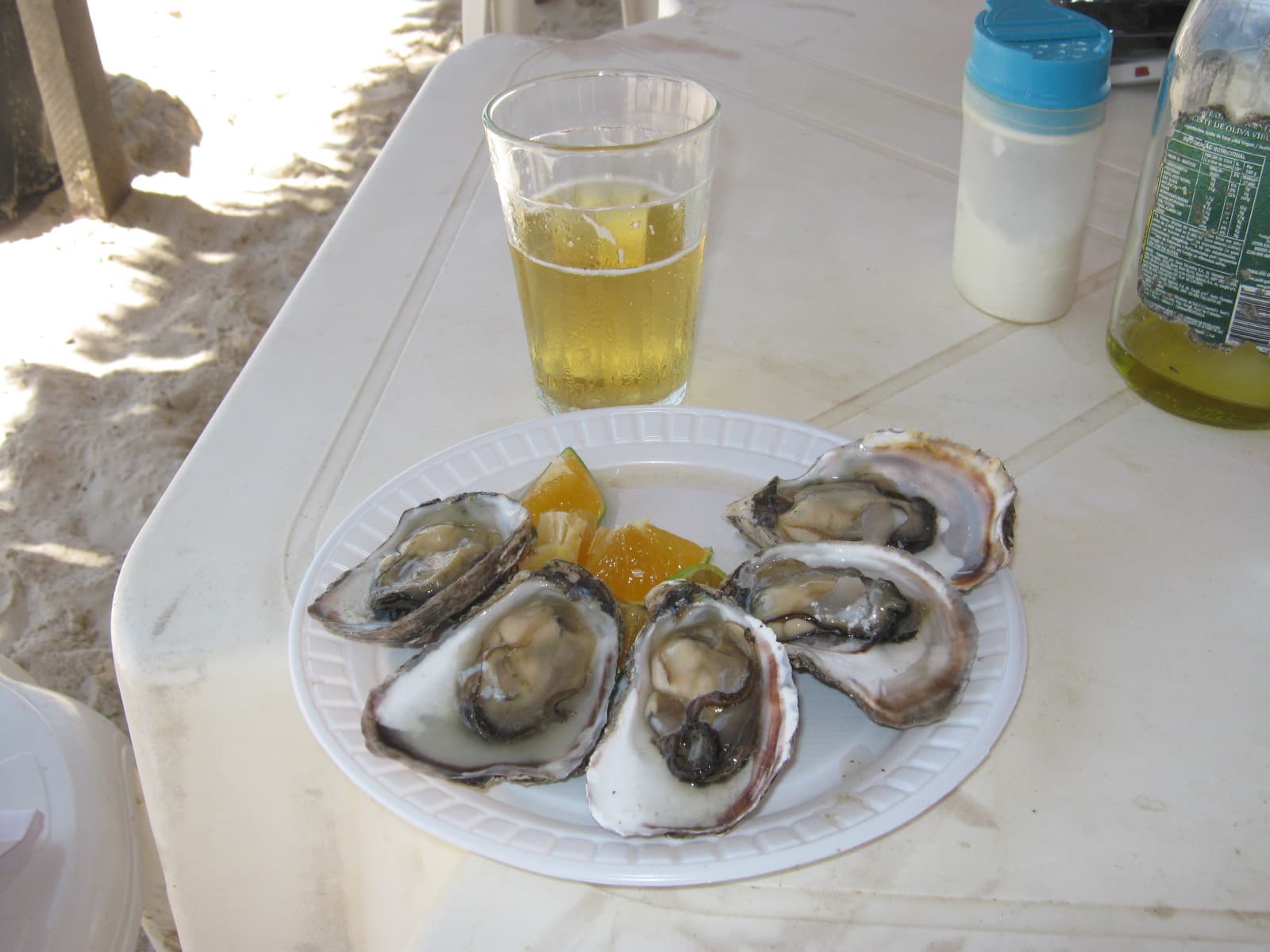
Eating well in Sergipe begins with its ingredients and geography, not a brittle list of restaurants.
The practical food route runs through Aracaju, Canindé de São Francisco, and the dishes below. It explains what to recognize on a menu and leaves nationwide allergy language, budgeting, and Portuguese phrases in their own reusable guides.
The culinary map of Sergipe
Sergipe's culinary identity moves from mangrove crab and coast fish to sertão meat, cassava, milk, and fruit. Mangaba gathering is also a livelihood and cultural practice. Look for products that identify local producers rather than treating the fruit as a generic flavor.
In Aracaju, the useful first move is an everyday market, bakery, or lunch counter because the base is best for flights, orla de atalaia, markets, museums, and coast or river day trips. Canindé de São Francisco changes the context: it is best for an unhurried xingó canyon excursion and sertão context. Travelers continuing to Estância or south-coast lodging should expect another shift because it is useful only for a dedicated beach extension rather than a necessary first base.
Essential foods to try in Sergipe
1. Caranguejo
Mangrove crab eaten by hand at bars and restaurants; ask how it is sourced and request the proper tools.
2. Moqueca sergipana
Fish or shellfish stew with regional variations in coconut milk, vegetables, and dendê.
3. Pirão de leite
A creamy cassava-flour accompaniment made with milk, commonly served alongside carne de sol.
4. Carne de sol
Cured beef with cassava, beans, and pirão, connecting the coast to sertão cooking.
5. Queijo coalho
Firm grilling cheese sold at breakfast, markets, and beach stalls; condiments range from molasses to herbs.
6. Mangaba
A fragrant fruit strongly associated with Sergipe, used in juice, ice cream, sweets, and liqueur.
7. Tapioca
Fresh cassava crepes with coconut, cheese, meat, or sweet fillings.
The list works as a sequence, not a scorecard. Caranguejo makes a useful first reference because mangrove crab eaten by hand at bars and restaurants; ask how it is sourced and request the proper tools. Moqueca sergipana belongs on a day with time for a full meal: fish or shellfish stew with regional variations in coconut milk, vegetables, and dendê. Save Tapioca for a lighter stop because fresh cassava crepes with coconut, cheese, meat, or sweet fillings.
A one-day Sergipe food route
Breakfast or market opening
Start around Aracaju with Caranguejo or the closest everyday equivalent. The objective is to hear ingredient names and see portion sizes before a larger order, not to turn a working market into a photo session.
The main regional lunch
Choose Moqueca sergipana or Pirão de leite for the Sergipe day with the least transport. Ask how the kitchen prepares it, which sides arrive automatically, and whether the portion is individual or shared. The answer is more useful than an old online price.
Afternoon flavor
Use Tapioca or Mangaba to compare fruit, sweet, drink, or snack traditions without stacking another full meal. In Canindé de São Francisco, look for a preparation tied to that base rather than assuming every dish is equally common statewide.
Dinner
At dinner in Aracaju, return to the dish that raised the most questions at lunch or choose a simple plate built from ingredients already recognized. Comparing two Sergipe preparations is more informative than ordering six unfamiliar dishes once.
Where the route changes what you eat
Aracaju
Use Aracaju for range and logistics: Best for flights, Orla de Atalaia, markets, museums, and coast or river day trips. It is the best place to compare Caranguejo with Moqueca sergipana before moving farther from the main gateway.
Canindé de São Francisco
The reason to eat in Canindé de São Francisco is local context, not a duplicate restaurant search. Best for an unhurried Xingó canyon excursion and sertão context. Ask whether Pirão de leite or Carne de sol is made differently here and what ingredient explains the change.
Estância or south-coast lodging
Treat Estância or south-coast lodging as a separate culinary extension when it belongs in the itinerary. Useful only for a dedicated beach extension rather than a necessary first base. Limited kitchens or longer supply routes make advance dietary communication more important in this base.
Ingredients and dietary questions
For Caranguejo, Moqueca sergipana, Pirão de leite, the visible name does not reveal every broth, garnish, thickener, frying surface, or regional recipe variation. Ask the kitchen about the actual preparation. Travelers with medical restrictions should use the single Brazil food-allergy guide, which contains the written Portuguese card and cross-contact questions; repeating that medical communication on 27 state pages would make it harder to maintain accurately.
For ordinary menu, transport, and payment conversation, save Portuguese Phrases for Independent Travel. The phrase hub includes the translations once, while this page keeps the names and food context specific to Sergipe.
Buying food products to take onward
Ask whether the product needs refrigeration, how long it remains safe, whether its packaging is sealed, and whether airline or destination rules permit it. This matters especially when leaving Canindé de São Francisco or Estância or south-coast lodging for a long road segment. Provenance and storage are more useful buying criteria than a souvenir label.
Put meals beside the travel route
- First-time Sergipe guide
- Five-day Sergipe itinerary
- Main Sergipe destination page
- Brazil travel budget worksheet
Food questions travelers ask about Sergipe
Do you need restaurant reservations?
Reserve a destination restaurant, producer visit, or remote meal that controls the day. Around Aracaju, keep ordinary breakfasts and lunches flexible so fresh availability can guide the order. In Estância or south-coast lodging, confirm meals earlier when alternatives are limited.
How many regional dishes fit one day?
One substantial plate such as Moqueca sergipana, one smaller reference such as Caranguejo, and one item such as Tapioca are enough to notice contrast. The purpose is to understand Sergipe's ingredients and preparation, then return to what was genuinely good.